June 1, 2025

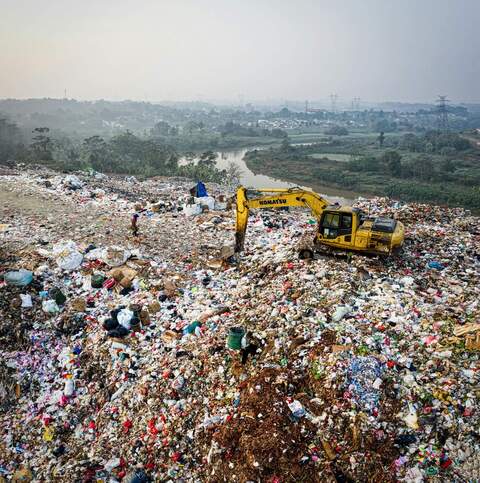
The $2.5 trillion global fashion and textile industry stands at a crossroads. With rising environmental concerns, tightening global regulations, shifting sourcing trends, and evolving consumer demands, the sector is being pushed to reinvent how clothes are made, used, and disposed of.
Against this backdrop, the momentum for circularity is undeniable—and India is emerging not just as a contributor to the conversation but as a central solution.
As the European Union implements the Digital Product Passport (DPP) and the Ecodesign for Sustainable Products Regulation (ESPR), brands will be required to show traceability, durability, and recyclability of materials. Simultaneously, the U.S. is imposing new tariffs on apparel imports from key Asian players like China and Vietnam, prompting brands to reevaluate their sourcing maps.
These developments are no longer abstract—they are actively reshaping global supply chains. India, with its scale, industrial capacity, and deep circular roots, stands at a rare convergence of readiness and relevance.
What sets India apart is a growing political and cultural alignment on circular practices. In a landmark endorsement, Prime Minister Narendra Modi used his Mann Ki Baat address to spotlight textile recycling and upcycling in India—marking one of the first times a global head of state has publicly recognized circular fashion as a national strength.
This unprecedented spotlight has brought grassroots innovation into the national narrative, laying the foundation for future policy shifts and catalyzing consumer and industry participation in circular practices.
India has set an ambitious target: to grow its textile and apparel sector to $100 billion by 2030, while decarbonising, digitising, and “de-wasting” production. This transformation hinges on three core goals:
Scale circular manufacturing capacity for both domestic and global waste streams
Align with international sustainability standards on traceability, material use, and lifecycle impacts
Position India as a premier sourcing destination for sustainable and ethical fashion
To realise this vision, India must reimagine its entire textile value chain—from fibre to fashion—as regenerative, resilient, and globally compliant.
69% textile recycling rate, versus a global average of less than 20%
Capacity to recycle 5,000 tonnes of textile waste daily
MSMEs account for 45% of industrial employment, making them critical for scaling circularity
World’s largest cotton-growing area, ensuring access to renewable natural fibre
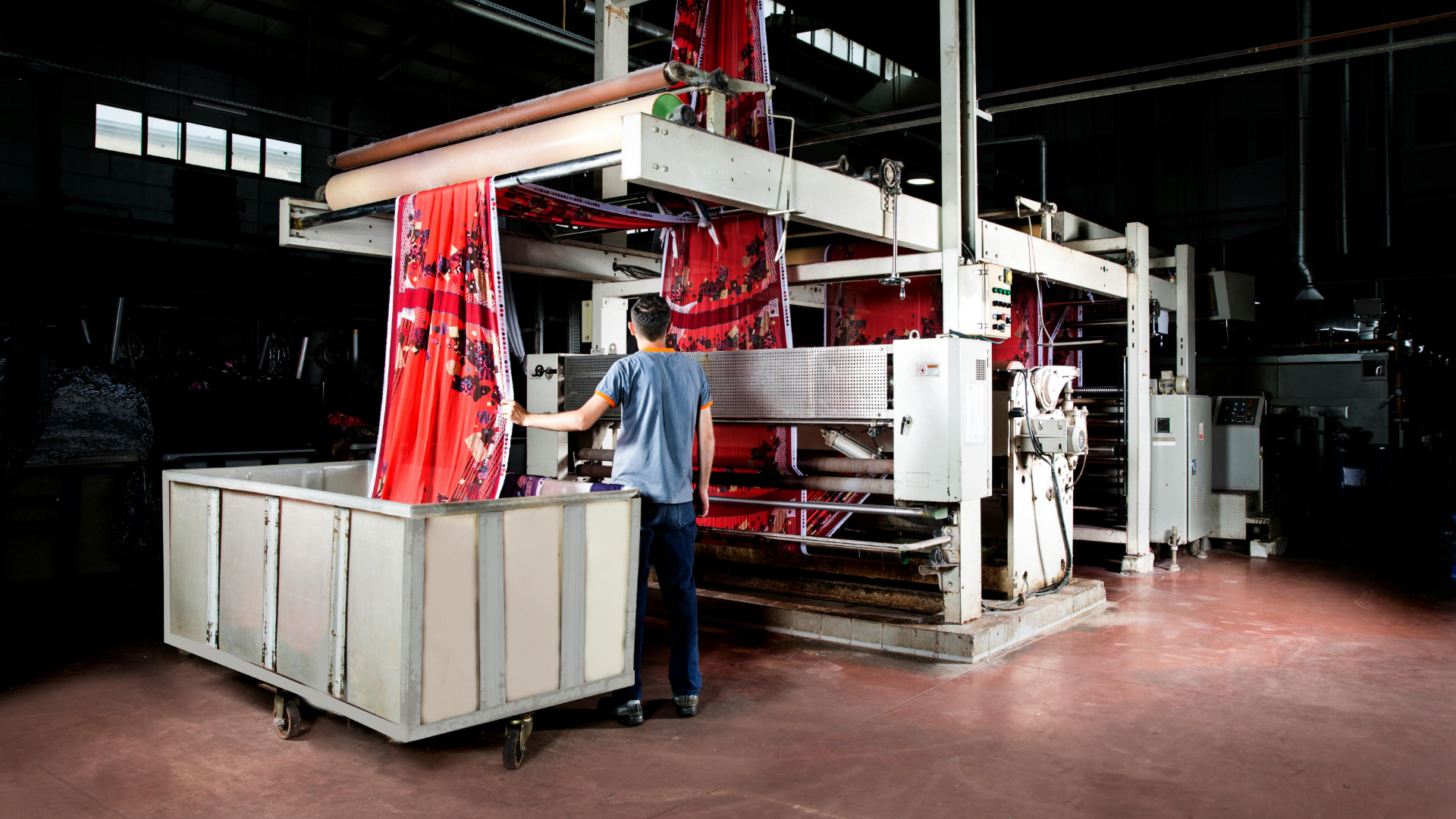
Circular production is already embedded in key textile clusters like Panipat, Tirupur, Karur, Surat, and Ludhiana—where local manufacturers turn pre- and post-consumer waste into high-quality yarns, fabrics, and garments for both domestic and global markets. In contrast, countries like Vietnam or Bangladesh, despite their export dominance, lack the infrastructure to handle textile waste at this scale.
India is not just a low-cost producer—it is a high-value, circular solution.
Formalise Waste Supply Chains
Implement nationwide textile take-back schemes, digitise waste inventories, and create public-private aggregation centres.
Establish Circular Hubs
Modernise textile clusters with fibre-to-fibre recycling, de-blending technologies, and ESG-certified infrastructure.
Support Traceability and Global Compliance
Help MSMEs meet EU DPP and ESPR mandates, ensuring alignment with international buyers.
Mobilise Green Finance
Develop sustainability-linked capital mechanisms and government-backed procurement incentives.
Upskill and Empower the Workforce
Train women and youth in circular design, reverse logistics, and traceability tech—building a new generation of circular entrepreneurs.
India’s textile legacy—from khadi to hand-me-downs—is inherently circular. Today, this legacy meets an opportunity of global scale. With government backing, industry capability, and global demand aligning in real time, India has the chance to lead the world—not by imitating other models, but by defining a new one. One that proves circularity can be economically viable, socially inclusive, and environmentally restorative.With the right partnerships, India can become the world’s foremost circular textile manufacturing hub—not just in promise, but in practice.
Link to article: https://www.outlookbusiness.com/planet/why-it-is-time-for-indias-textiles-to-embrace-circularity-amid-global-shifts