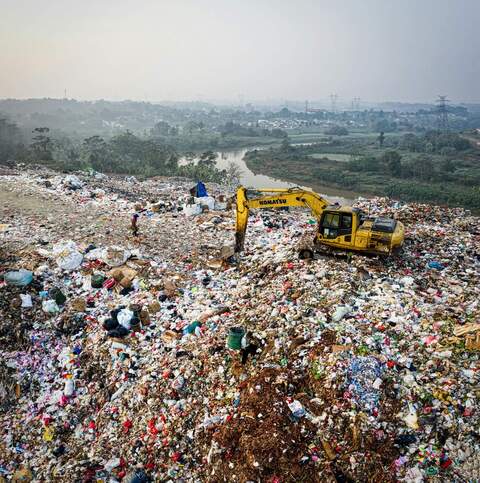
India's struggle with plastic waste is a defining challenge of our time—one that intersects environmental sustainability, economic growth, and public health. With an estimated 9.46 million tons of plastic waste generated annually, and 70% of it uncollected or mismanaged, the country ranks as the fifth-largest plastic polluter in the world, according to the United Nations Environment Programme (UNEP). But India is not standing still. From regulatory reforms to grassroots movements, a new paradigm is emerging—one rooted in the principles of the circular economy.
From Ban to Blueprint: India's Push Against Single-Use Plastics
In 2022, India enacted a landmark nationwide ban on single-use plastics, signaling a strong political will to tackle the mounting crisis. Yet, as the plastic problem persists in more insidious forms—particularly through packaging waste—the country is shifting toward more holistic solutions. One such strategy is the circular economy: a regenerative model aimed at designing out waste, keeping materials in use, and restoring natural systems.
At the heart of this transformation is Extended Producer Responsibility (EPR), a policy approach that holds producers accountable for the lifecycle of their plastic packaging—from creation to disposal. With the 2022 amendments to the Plastic Waste Management Rules (originally framed in 2016), EPR gained new teeth. Under this framework, companies must ensure their plastic waste is collected, recycled, or reused, effectively embedding sustainability into the core of business operations.
Corporate Responsibility: Leading from the Front
Leading the charge is Hindustan Unilever (HUL), India’s largest fast-moving consumer goods (FMCG) company. Committed to collecting 100% of the plastic it puts into the market by 2025, HUL is rethinking materials and processes to align with circularity. By incorporating recycled content and developing eco-friendly alternatives, the company is demonstrating how sustainable practices can coexist with profitability. With a market capitalization exceeding ₹52,000 crore, HUL’s efforts are setting a benchmark for the industry.
Waste Pickers: The Unsung Heroes of Circularity
While corporate action is essential, much of India's recycling infrastructure still relies on informal labor. An estimated 1.5 million waste pickers play a critical role in collecting, sorting, and recycling plastic waste. According to the Recycling Companies Association of India (RCAI), this informal workforce contributes to nearly 70% of the country’s plastic recycling output.
Organizations like Hasiru Dala in Bengaluru are working to formalize this sector, creating frameworks that provide legal protections, dignified work conditions, and fair pay. These community-driven initiatives not only elevate waste pickers but also build decentralized, resilient recycling ecosystems that are often more efficient than centralized systems.
Innovation at the Forefront
Innovation is also reshaping how India consumes and disposes of packaging. Urban centers are witnessing a surge in zero-waste stores and refill stations, reducing the need for plastic packaging altogether. Startups like Bare Necessities and Daily Dump are trailblazers in this space, offering consumers a way to shop for essentials without contributing to the plastic problem.
This shift is being accelerated by changing consumer behavior. A 2022 report by the United Nations Development Programme (UNDP) found that over 70% of Indian millennials prefer brands that prioritize sustainability. This demographic shift is powering a market for eco-friendly goods and circular services—laying the groundwork for lasting transformation.
The Road Ahead: Regulation and Realities
India’s regulatory landscape continues to evolve. The 2021 Plastic Waste Management Rules set targets for phasing out single-use plastics and mandating EPR compliance. However, enforcement remains inconsistent. According to the Centre for Science and Environment (CSE), nearly one-third of Indian towns lack formal waste segregation systems, and only 60% of plastic waste is effectively recycled.
The disparity between urban innovation and rural infrastructure highlights the need for localized solutions and greater investment in waste management systems. Without robust implementation at the grassroots level, even the most ambitious national policies may fall short.
A Nation at the Crossroads
India stands at a critical juncture in its war on plastic. The momentum behind circular economy models—from corporate boardrooms to community sorting centers—signals a shift in both mindset and method. While challenges remain, especially in enforcement and infrastructure, the convergence of policy, innovation, and grassroots action offers hope.
Closing the loop on plastic packaging is not a distant ideal—it’s a work in progress, already reshaping how India produces, consumes, and disposes. The path forward is complex, but the direction is clear: toward a more circular, sustainable future.
Link to source: https://thecsruniverse.com/articles/india-s-plastic-dilemma-closing-the-loop-on-packaging-waste

.jpg)